
How to Navigate the Challenges in Transporting Heavy Equipment
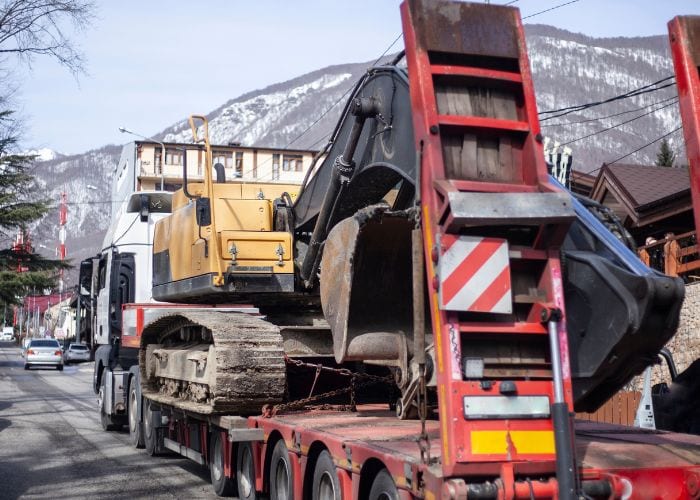
There’s more to transporting heavy equipment than simply loading up your truck and hitting the road. You could be transporting construction machinery, agricultural gear or industrial tools, but they all come with the challenge of being overweight.
With the right approach, you can easily navigate these challenges and arrive at your destination safely without hiccups.
We shall examine the common challenges of heavy equipment transport and how to handle them safely in subsequent paragraphs. Read on:
The Main Challenges in Heavy Equipment Transport
- Size and Weight Restrictions
Heavy equipment is mostly termed oversized load. That means there are strict limits on how much you can haul on public roads without a special permit. These restrictions often apply to projects involving bulk and detailed earthworks, where large volumes of material must be moved efficiently and safely.
- Permitting and Compliance
One of the challenging aspects is staying compliant with various regulations. Transporting across state or regional lines often requires multiple permits, and the requirements change sometimes.
You’ll need to account for both the size of the load size and travel time restrictions (some routes only allow heavy loads at night or during specific hours).
- Route Planning
You can’t always take the shortest route when transporting heavy machinery. Low bridges, weight-restricted roads, construction zones, and sharp turns can all cause problems. GPS can be helpful sometimes, but it won’t catch everything.
That’s why you need to do some manual route planning with a logistics expert.
- Loading and Securing Equipment
Loading heavy equipment used in concrete works requires more than just strength, it’s more about balance and safety. If the load isn’t properly secured, it can shift in transit, putting both the driver and the equipment at risk. Loading the wrong way can also cause damage or lead to violations during inspections.
- Weather and Road Conditions
Rain, snow, high winds, and rough terrain can affect journey on the road. You’ll need to monitor the forecast and plan on how to adjust in case there’s an emergency with the weather.
How to Overcome These Challenges
- Work with Experienced Carriers
Not all trucking companies are reliable enough to carry your heavy equipment. So, work with professionals who specialize in this type of work; they’ll understand the permitting process, route planning and how to handle the equipment.
- Use the Right Trailer for the Job
There are different types of trailers designed for different types of load. Using the right trailer is compulsory to maintain balance, ensure height clearance and safety on the road.
- Double Check Legal Requirements
Permitting can cause headaches sometimes but it’s non-negotiable. Make sure your transport team handles paperwork early and stays updated on local rules.
- Hire Trained Loaders and Escorts
Don’t neglect safety. Use trained professionals to load the equipment, and don’t forget about pilot or escort vehicles if your route requires them.
- Plan Ahead and Stay Flexible
Make plans for unexpected weather, bad roads or mechanical issues. Be flexible and willing to make changes whenever you encounter unexpected circumstances.
Conclusion
Transporting heavy equipment is not an easy task, but it’s very possible. Working with the right team, careful planning and flexibility will help you overcome the challenges involved and ensure a smooth and safe journey from one destination to another.


