
Expert Residential Asbestos & Hazardous Material Removal Services
For expert residential asbestos and hazardous material removal services, trust Capstone Civil Group to handle the job with care. We provide effective solutions that meet all safety regulations, ensuring your peace of mind.
Understanding the Risks
What is asbestos, and why is it a health hazard?
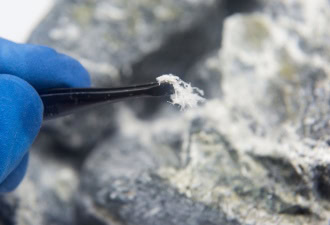
Asbestos is a natural mineral found in the earth. It was used a lot in buildings because it can handle heat well. But if those materials get damaged, tiny asbestos fibres can float into the air.
Breathing in these fibres can make you very sick. You might get diseases like asbestosis, lung cancer, or mesothelioma. The scary part is that symptoms might not show up for many years after exposure.
hazardous materials commonly found in residential buildings
Older homes can have various hazardous materials that are not safe for your health. Here are some common ones:
- Mould – This grows when there’s moisture from leaks or poor airflow. Mould can cause breathing problems and allergies.
- Polychlorinated Biphenyls (PCBs) – These are often found in electrical devices like transformers. Breathing or swallowing PCBs can be harmful.
- Urea-formaldehyde Foam Insulation – Used for keeping houses warm, but it can release harmful gas into the air.
Knowing what these hazardous materials are helps keep your home safe.

Identifying and Assessing Asbestos & Hazardous Materials
Finding asbestos-containing materials (ACM) in your home is super important for keeping everyone safe. If you’re a homeowner, look out for signs that might point to ACM. Things like how old your house is and what materials were used when it was built can give you clues.
How to Identify Potential Asbestos-Containing Materials (ACM)
Here’s how to spot ACM safely:
- Visual Inspection: Check for stuff that might have asbestos, like insulation around pipes and textured ceilings. Even if you can’t see anything unusual, it could still be a problem.
- Age Consideration: If your home was built before 1987, there’s a higher chance it contains ACM. Regulations back then were not as strict.
- Professional Assessment: It’s smart to call in experts who know how to inspect properly. They have the tools and knowledge to find ACM without putting anyone at risk.
Common Locations Where ACM is Found in Residential Properties
Asbestos can hide in many spots around the house, such as:
- Roof Shingles: Older roofs often used these shingles which can break down over time and let fibers escape.
- Vinyl Floor Tiles: Many tiles from before the 1980s included asbestos in their make-up.
- Insulation on Pipes or Ducts: Insulation materials used on pipes usually had asbestos for heat resistance.
- Popcorn Ceilings: This ceiling style was common until the late 1970s and often had asbestos in it.
Professional Asbestos Inspection and Assessment Services
Getting kerb and gutter professionals to check for asbestos gives you peace of mind. Licensed inspectors know how to evaluate risks from ACM correctly. Their services usually involve:

Comprehensive Site Assessments
We thoroughly check your property for any dangers.
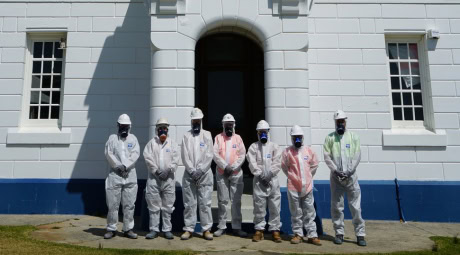
Laboratory Analysis
Any samples they take can be sent off for lab testing to confirm if there’s asbestos.

Detailed Reports
After everything, you’ll get a clear report explaining what they found.
Safe Removal and Disposal of Asbestos & Hazardous Materials
Getting rid of asbestos and other harmful stuff is super important. It helps keep everyone safe at home and in the community. Following strict rules keeps workers and nearby people safe too.
Importance of Following Safety Protocols
Following safety rules is key when removing asbestos. These rules help everyone stick to local laws and national standards. Places like Safe Work Australia set these guidelines. Workers need proper training to know the dangers of breathing in fibers from asbestos. Licensed asbestos contractors follow these safety regulations to protect everyone involved.
Step-by-Step Process for Removing Asbestos Safely
- Initial Assessment: Before starting work on a place with possible asbestos, certified professionals check it out first. They look for any hidden dangers.
- Containment Measures: Creating special zones stops dust from spreading while removing asbestos. This can mean using plastic sheets or machines that keep air pressure low.
- Personal Protective Equipment (PPE): Workers must wear special gear, like masks that filter out bad particles, to keep safe.
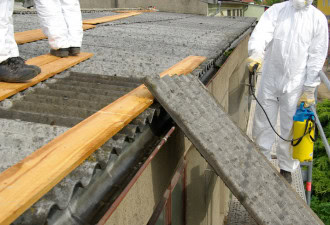
- Removal Techniques: Wetting down materials before taking them out helps stop tiny fibers from floating in the air, making it safer.
- Waste Management Procedures: Once the bad materials are taken out, they should be packed up safely in clearly marked containers for hazardous waste disposal.
- Final Inspection & Air Monitoring: After cleaning up, experts check the air for any leftover fibers before anyone goes back into the area. This way, everyone stays safe!
Ethical Disposal of Asbestos and Hazardous Materials
Disposing of removed asbestos must be done carefully to keep people and nature safe.
- All materials must be moved according to local laws that cover hazardous waste transport.
- Places that get rid of this waste need special certification that shows they can handle toxic substances properly.
- Keeping track of everything during this process helps ensure everything is done right. It also gives peace of mind knowing where the materials went after being removed.
By following these steps—from checking for dangers to disposing of waste safely—you help create a cleaner, safer environment without harmful materials like asbestos around!
Trusted Asbestos & Hazardous Material Removal Partner
Capstone Civil Group is your top choice for residential asbestos and hazardous material removal in Australia. Our skilled team knows how to handle dangerous materials safely. With years of experience, we follow strict safety rules while offering solutions that fit your needs perfectly.
Our certified asbestos professionals go through thorough training. We follow best practices for safe asbestos handling and removal. We also know the health risks of asbestos exposure, so we always work with care during every job.
Services Offered by Capstone Civil Group
We offer a range of services to help homeowners with hazardous materials:
- Residential Asbestos Removal – We focus on finding and safely removing any asbestos-containing materials (ACMs) in your home.
- Hazardous Material Disposal – We make sure all removed materials are disposed of safely and follow local regulations.
- Building Material Inspection – Before any renovations or demolitions, we inspect for possible hazards to ensure safety.
Our goal goes beyond just following rules; we aim for excellence in everything we do.
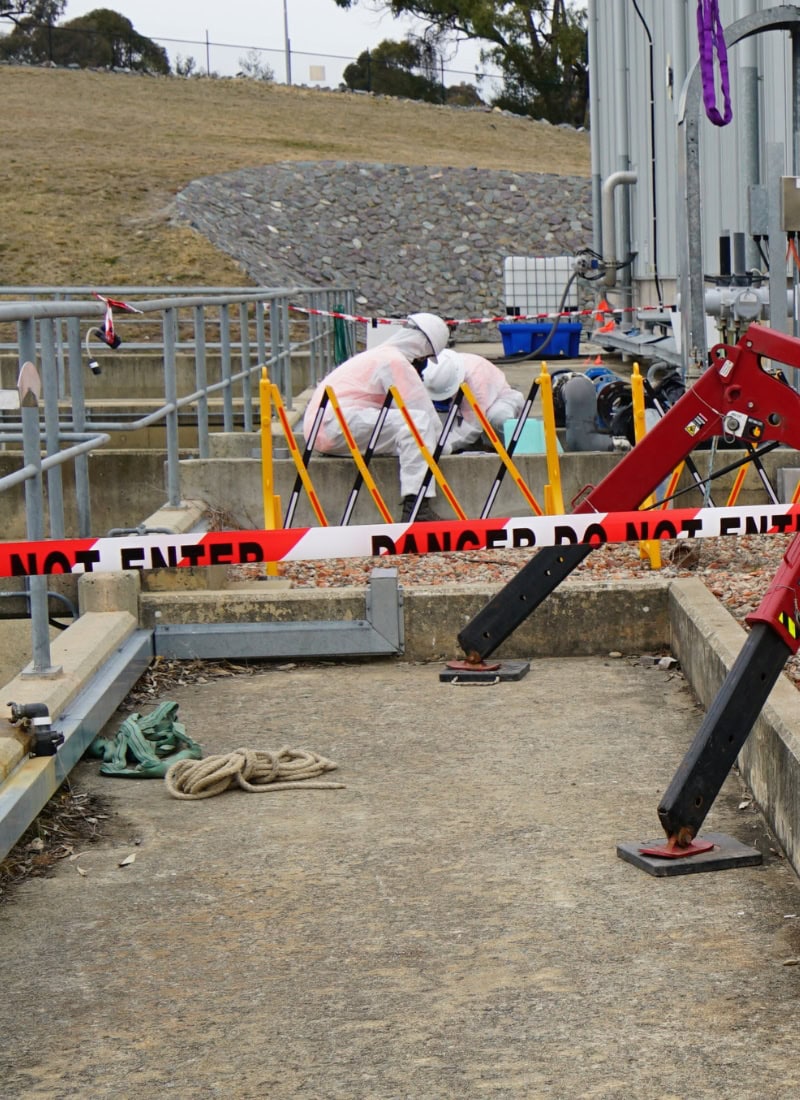
Ensuring Compliance & Peace of Mind
In Australia, removing asbestos is serious business. It’s all about keeping people safe. There are rules from groups like Safe Work Australia and local councils that everyone must follow. Knowing these rules is super important before starting any asbestos removal job.
Here are some key points:
- Licensing Requirements: Only licensed asbestos professionals can do the removal work. This means they have special training to handle dangerous stuff safely.
- Notification Obligations: If certain types of asbestos are being removed, you need to let the right authorities know before you start. This helps ensure safety measures are in place.
Being aware of these regulations helps keep things legal and makes the removal process safer for everyone involved.
Importance of Working with Our Licensed and Insured Asbestos Removal Professionals
Hiring licensed and insured pros for removing asbestos from homes is super important. Our certified experts know how to handle dangerous materials safely because they have gone through a lot of training.
Here are some great reasons to hire them:
- Expertise in Hazard Identification – We can spot potential risks linked to asbestos-containing materials (ACM).
- Safety Protocols Implementation – These pros follow best practices that keep exposure risks low during the work.
- Insurance Coverage Protection – If something unexpected happens, like property damage or an accident, working with us keeps homeowners safe from financial troubles.
Choosing qualified professionals means you’re not only ensuring safe handling but also following the law. That’s peace of mind for everyone!



Tips for Residential Safety
Keeping your home safe is really important. It helps to lower the chances of problems with dangerous stuff like asbestos. To start, regular home maintenance is key. Make sure to have professional residential safety inspections done. They check for things like asbestos-containing materials (ACM) and lead paint.
Good indoor air quality is also a big deal. Open windows for fresh air and use air purifiers with HEPA filters. This helps reduce any airborne junk that could make you sick.
What to Do If You Suspect the Presence of ACM in Your Home
If you think there’s ACM in your house, act fast:
- Don’t Touch It: Leave any suspicious material alone. Touching it can let harmful particles into the air.
- Call the Experts: Get in touch with certified asbestos professionals who can test and check your home properly.
- Keep Records: Write down all test results and notes from professionals. This will be handy later on.
If there’s a spill or leak of something dangerous, here’s what to do:
- Get out of the area quickly to stay safe.
- Let local authorities know if it’s serious.
- Follow emergency response steps given by experts.
Emergency Response Protocols for Spills or Leaks of Hazardous Materials
When faced with a hazardous spill or leak, here’s how to keep safe:
- Check the Scene: See if it’s safe to stay nearby before you take action.
- Notify Authorities:
- Call local emergency services if you see a real threat from spills or leaks.
- Report any incidents right away so trained folks can help.
- Follow Clean-Up Steps:
- Hire licensed contractors who know how to manage environmental hazards safely according to EPA rules.
By keeping these tips in mind, you’ll boost your home’s safety and be ready for any hazards like asbestos. Regular checks and proper actions can protect your family and make your home safer overall.
Trust Us for Safe Residential Asbestos & Hazardous Material Removal
At Capstone Civil Group, we understand how crucial it is to maintain a safe and healthy home environment. With our specialized residential asbestos and hazardous material removal services, we ensure that your property is free from dangerous substances that could harm your health.
FAQs about Residential Asbestos & Hazardous Material Removal
Additional Information on Asbestos & Hazardous Material Removal
- Toxic Substance Removal: Expert teams can safely remove toxic substances from your property.
- Environmental Hazard Management: Effective strategies keep your environment safe from contamination.
- Air Quality Assessment: Regular checks ensure clean air free from hazardous particles.
- Contamination Assessment: Professionals evaluate properties for any hidden environmental hazards.
- Emergency Response for Hazardous Materials: Quick actions can minimize risks from spills or leaks.
- Home Renovation Safety: Ensure safety during renovations by identifying potential hazards beforehand.
- Asbestos Exposure Risk: Awareness of asbestos exposure helps reduce health risks.
- Safe Removal Techniques: Specialized methods protect workers and residents during removal.
- Waste Management Practices: Proper disposal of hazardous waste ensures compliance with regulations.
- Demolition Services: Safe demolition processes include thorough assessments of potential hazards.
- Construction Site Assessments: Inspections help manage risks at construction sites effectively.
- Occupational Health and Safety Compliance: Adhering to regulations protects workers’ health on-site.