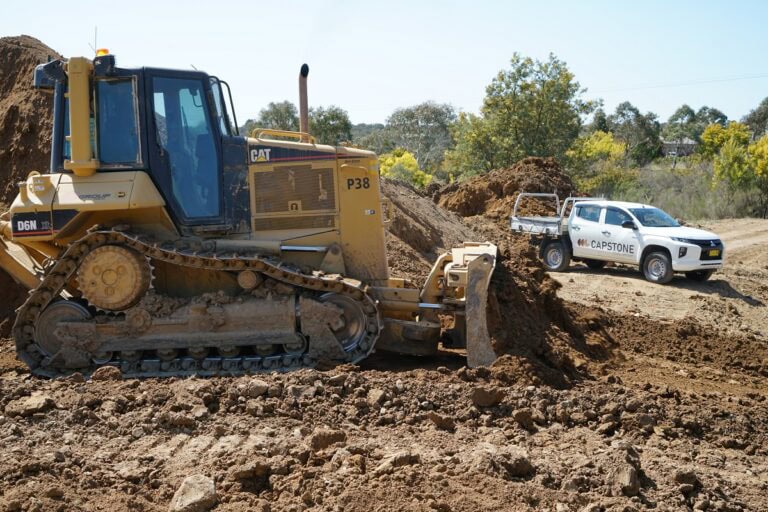
Urban Kerbing Solutions for Improved Road Safety

Urban Kerbing Solutions for Improved Road Safety focus on enhancing vehicle and pedestrian safety in urban environments. By implementing effective road barriers and managing civil works, Capstone Civil Group aims to create safer channels for both pedestrians and vehicles.
Introduction to Urban Kerbing Solutions
Urban kerbing solutions are important for keeping our roads safe and making public spaces nicer. They help create clear lines between where cars drive and where people walk. This can lower the chances of accidents and helps everyone use the roads more safely. By using good urban kerbing designs, neighborhoods can be better for walking and driving.
Benefits of Urban Kerbing for Road Safety
Urban kerbing has many benefits that help with road safety:
- Pedestrian Safety: Good kerbs keep people safe from cars by marking where they should walk.
- Vehicle Impact Reduction: Strong barriers can lessen damage if cars crash, which keeps drivers and passengers safer.
- Traffic Calming: Some designs slow down cars in neighborhoods, making them safer.
- Improved Public Spaces: Nice-looking kerbs make streets more attractive while still being useful.
- Accident Prevention: Clearly marked lanes help drivers understand where to go, which cuts down on crashes.
- Community Well-being: Safe streets encourage more people to walk or bike, which is good for health.
Enhancing Pedestrian Safety in Urban Environments
Making places friendlier for walkers is very important. Here are some key features that help:
- Crosswalk Enhancements: Bright signs at crosswalks make it easier for drivers to see people crossing.
- Safe Crossing Zones: Special areas with clear signs provide safe spots for people to cross busy streets.
- Dedicated Pedestrian Zones: Areas without cars let people walk freely without worrying about traffic.
- Walkability Improvements: Wider sidewalks and better lights make walking around cities easier and safer.
These changes make streets more inviting for walking.
Improving Vehicle Safety through Effective Road Barriers
Road barriers are an essential part of urban kerbing that helps keep vehicles safe:
- Barrier Kerbs: These help absorb the shock during crashes, protecting everyone in the vehicle.
- Rollover Kerbs: These are made to stop cars from flipping over in a crash while helping them return safely to the road.
Placing these barriers wisely can cut down on serious accidents.
Types of Urban Kerbing Designs
Different urban kerbing designs serve various needs in city planning:
- Standard Straight Kerbs: Common in civil engineering, these mark clear lines between sidewalks and roads while helping rainwater drain away.
- Mountable Kerbs: These work well on paths that need occasional car access but still prioritize pedestrian space.
- Rolled or Sloped Kerbs: These make it easier for people using wheelchairs or strollers to move smoothly between different surfaces.
Each design has a specific purpose, all working together to improve city infrastructure.
Standard Straight Kerbs and Their Applications
Standard straight kerbs are used a lot in civil engineering projects aimed at good traffic management:
- They create clear edges along roads, keeping vehicles away from areas meant for walkers.
- Their simple design helps with water drainage by directing rain into proper channels.
These features make them a basic part of any plan to improve safety on the streets.
Rolled or Sloped Kerbs for Smooth Transitions
Rolled or sloped curbstones play key roles when it comes to accessibility:
- The gentle slope helps people move easily across different heights—this is super helpful for those with wheelchairs or strollers.
- They also make it easier during emergencies when quick access might be needed.
Using rolled or sloped curbstones in new buildings shows a commitment to making spaces more inclusive and functional.
Materials and Sustainability in Urban Kerbing
Sustainable Materials in Urban Kerbing
Urban kerbing is super important for keeping roads safe. But, did you know it can also help the environment? Using sustainable materials is key. These include eco-friendly concrete options made from recycled stuff or low-carbon mixes. They help preserve our planet and last longer.
Another great choice is recycled asphalt. By using old asphalt from previous roads, we cut down on waste and need for new materials. This supports sustainable construction goals while helping environment preservation.
Eco-Friendly Concrete Options
Using eco-friendly concrete in urban kerbing can really make streets look nice and keep them safe too. Sustainable urban design focuses on picking materials that don’t harm the earth much, but are still strong.
Concrete barriers built with green mixtures can guide traffic and protect people crossing streets. They do a lot more than just look good; they also improve safety and help with stormwater by being permeable.
Recycled Asphalt as a Sustainable Choice
Asphalt is a common choice for roads, but traditional methods can hurt the environment because they take a lot of resources. Recycled asphalt gives cities a way to upgrade their roads while being kinder to our planet.
By using recycled asphalt in urban kerbing, cities get tough pavements without needing as many new materials. This cuts down pollution during production and helps local jobs in recycling facilities.
Role of Kerbing in Pedestrian Safety
Kerbs help keep pedestrians safe by marking where they should cross and separating them from cars. Good designs at crosswalks make people feel secure when crossing busy streets.
Adding reflective road markers to kerb designs boosts how well drivers can see pedestrians at night or in bad weather. These markers are crucial for accident prevention in cities.
Creating Safe Crosswalks with High Visibility Markings
To make sure everyone can walk safely, it’s smart to use bright markings at busy crosswalks used by kids and adults. Bright colors or special pavement textures catch drivers’ attention where speeds might be high.
Traffic management plans should regularly check how well these markings work and listen to what communities think about safety near schools or shopping areas. This way, neighborhoods keep getting better for walking!
Implementing Reflective Road Markers for Nighttime Safety
Just street lights aren’t always enough at night; that’s why reflective road markers are really helpful for stopping accidents. These markers shine back light from cars, helping drivers see that there might be people crossing ahead.
Adding these markers with smart street lighting makes travel safer overall! It reminds drivers to be careful near crosswalks where folks could step out suddenly without warning signs.
Traffic Flow Improvements and Best Practices
Traffic Flow Improvements with Kerbing
Urban kerbing is key for making roads safer and improving traffic flow. Good kerbing helps keep vehicles in their lanes while giving pedestrians a safe place to walk. It makes streets easier to manage and reduces accidents.
Managing Pedestrian Traffic Efficiently
To help both cars and people move smoothly, we need to focus on active transportation. This means creating shared spaces where people can walk safely alongside cars. Key parts of this include safe crossing zones. These are special spots where pedestrians can cross streets without worries. Signs and well-placed kerbs help everyone see these crossings better.
Reducing Vehicle Speeds with Strategic Design
We can make roads safer by putting speed humps in the right places. Speed humps are bumps on the road that slow cars down, especially in neighborhoods or near schools. Also, having vehicle access restrictions in certain areas can keep speeds low where it matters most, helping protect pedestrians.
Installation Best Practices by Capstone Civil Group
When putting in urban kerbing, following best practices is super important for it to last long.
Professional Techniques for Durable Installations
Using sustainable materials like concrete barriers can make sure things stay strong while also being good for the planet. How we install these barriers matters too; doing it right not only makes them last longer but also keeps roads looking nice and working well.
Ensuring Compliance with Regulatory Standards
It’s important to follow all rules when building roads. This means sticking to national and local laws that keep everyone safe and make sure spaces are accessible for all users—drivers, cyclists, and walkers. Knowing these rules helps us create safer places for everyone.
Maintenance, Case Studies, and Innovations
Maintenance of Urban Kerbing Systems
Keeping urban kerbing systems in good shape is really important for safety on the roads and for people walking. Regular inspections help find any damage or wear-and-tear issues. These checks can spot tripping hazards and see if reflective road markers are still working well to help people see better at night.
When problems pop up, quick repairs are a must. Fixing concrete barriers or replacing broken parts in the kerbing system keeps everyone safe. It’s like fixing a hole in your shoe before it gets worse!
Also, having long-term care strategies is smart. Seasonal assessments can help cities prepare for issues from flooding or bad weather. This way, they can fix things before big storms hit.
Case Studies of Successful Projects
Looking at examples from major cities shows how smart urban kerbing choices can boost road safety. Cities like New York and London have tried different designs that protect walkers and lessen vehicle impacts. For instance, they often use wider sidewalks with strong kerbs that clearly mark where cars should stay away.
These projects also help local communities a lot. Safer streets mean more people walking around, which is good for nearby businesses. More foot traffic leads to happier stores and a lively community!
Innovations in Urban Kerbing
Innovations are changing how urban kerbing works and looks. New technologies like smart sensors can be put into kerbs to track traffic flow. This helps city planners see what’s happening in real time and adjust things as needed.
Sustainable practices are also catching on when putting in and caring for urban kerbs. Using eco-friendly materials, such as recycled asphalt, helps the environment while ensuring the kerbs last against heavy vehicle use.
Conclusion on Urban Kerbing’s Role
To wrap it all up, taking care of urban kerbing and coming up with clever designs play a big part in making cities safer. Features like reflective markers help folks see better at night. Plus, these improvements support healthier communities by making neighborhoods easier to walk in, leading to more active lives for everyone aroun
Integrating Technology and Community Engagement
Innovative Technologies in Urban Kerbing
Urban kerbing is changing thanks to new technologies that help keep our roads safe. Smart city initiatives, like real-time monitoring systems, help manage traffic better. These systems make it easier for cities to follow urban safety rules. Also, they support pedestrian-friendly designs. Reflective road markers make it easier for both drivers and walkers to see the roads at night, which keeps everyone safer.
Smart Sensors for Real-Time Monitoring
Smart sensors can really boost urban kerbing by giving live updates about traffic and people walking around. They collect data on how many cars are using the roads and where pedestrians are moving. This info helps cities create smart safety plans. For example, if a sensor spots a lot of cars stuck in traffic or many accidents happening in one spot, city planners can change the kerb design or adjust traffic lights right away. This approach lowers the chance of accidents and helps reduce vehicle impacts.
Adaptive Lighting Solutions
Adaptive lighting is key for making streets safer at night. These lights are not like the old streetlights that stay bright all the time. Instead, they change brightness based on what’s happening around them—getting brighter when people are nearby and dimming when it’s quiet. This makes streets much easier to see at night and adds extra safety features while saving energy too.
Community Engagement Strategies
Getting people involved in planning urban kerbing projects is super important! It helps connect communities and supports local businesses while also promoting walking or biking as active ways to get around. Here are some ways to engage residents:
- Host public meetings so people can share their thoughts on designs or upgrades.
- Team up with local groups to gather different viewpoints.
- Create fun events that invite everyone to join discussions about the projects.
Involving Residents in Planning Processes
Public participation really matters when creating safe neighborhoods with good kerb and gutter designs. You can get community feedback through workshops or surveys where people can express their ideas about how things should look and work—like making sure paths are accessible for everyone, including those with disabilities. Listening to residents helps make sure the final plans fit what they want.
Educational Campaigns on Pedestrian Safety
Teaching people about pedestrian rights is very valuable! Educational campaigns raise awareness of safe crossing areas and the benefits of walking for health. Programs aimed at schools can help kids learn road safety rules early on. Broader campaigns can also teach adults about their rights as pedestrians under local laws. These efforts create a culture of respect among all road users, which is great for safety!
Cost-effectiveness, Regulations, Future Trends
Cost-effectiveness Analysis
Urban kerbing solutions save money in many ways. When we reduce accidents, communities spend less on healthcare and insurance. Better road safety means fewer injuries and deaths. This also cuts down on emergency response costs. Plus, with less traffic congestion, local businesses can see more customers and quicker deliveries.
These savings add up over time. Urban projects that improve public spaces help neighborhoods feel friendlier. Good road designs encourage people to enjoy outdoor activities. This makes places more inviting for both locals and visitors.
Long-term Savings from Reduced Accidents
Investing in urban kerbing is key for accident prevention. Better road designs make it safer for pedestrians and cyclists by keeping walking areas separate from cars. This helps avoid crashes and creates a safer environment for everyone.
Cities that use improved kerbing see fewer accidents over time. These savings contribute to better health for individuals and safer communities overall.
Economic Benefits to Local Businesses
Local businesses do better when their streets are safe and easy to access. Urban kerbing increases visibility for shops, making it easier for customers to find them. Nice-looking streets invite more foot traffic, which helps shops grow.
As cities invest in modern street designs, they not only help current businesses but also create chances for new ones to open up in lively neighborhoods.
Regulatory Standards Overview
Following the rules is important when it comes to implementing urban kerbing solutions. These rules include national guidelines as well as local laws made for each community’s needs.
Understanding these standards helps make roads safer while ensuring they work well for all kinds of people.
Key Guidelines for Safe Implementation
Some key guidelines focus on how curbs should be built based on expected traffic and types of vehicles using the roads. We must also think about accessibility so that everyone can use the roads easily, like wheelchair users who need curb ramps to get onto sidewalks safely.
Accessibility means designing curbs so that there are no bumps or hazards near parking areas, making it easy for pedestrians to walk between buildings without worry.
FAQs about Urban Kerbing Solutions for Improved Road Safety
Q: How do urban kerbing solutions improve pedestrian safety?
A: Urban kerbing clearly marks walking areas, helping pedestrians avoid vehicles. It creates safe crossing zones and enhances visibility with reflective road markers.
Q: What is the role of speed humps in urban kerbing?
A: Speed humps slow down traffic in neighborhoods and near schools. They help reduce accidents and make streets safer for pedestrians.
Q: Can urban kerbing support local businesses?
A: Yes, safer streets attract more foot traffic. This increased visibility benefits local shops and promotes community engagement.
Q: How does sustainable urban design influence urban kerbing?
A: Sustainable designs use eco-friendly materials and support health benefits of walking. They create inviting spaces that enhance the livability of neighborhoods.
Q: What are pedestrian-activated signals?
A: These signals alert drivers when pedestrians want to cross, improving intersection safety. They enhance visibility at busy crossings.