Heavy Equipment Haulage for Large-Scale Projects

Heavy equipment haulage for large-scale projects is critical for the successful transportation of machinery and materials. At Capstone Civil Group, we specialize in efficient heavy haulage solutions tailored to meet the demands of extensive construction and industrial applications.
Introduction to Heavy Equipment Haulage
Heavy equipment transport haulage is super important for big projects. It makes sure that machines and tools, like construction vehicles and heavy gear, get to where they need to be safely and on time. This process includes careful planning and teamwork to avoid any issues along the way while keeping everything safe.
Overview of Heavy Equipment Transport Logistics
Transporting heavy equipment involves a lot of steps because of how large and heavy these items can be. Here are some key parts:
- Heavy Load Distribution: It’s really important to spread out the weight correctly on trucks. This helps keep the vehicles stable while driving.
- Industrial Equipment Transport: You need special trucks made just for carrying large machinery so that they fit right and stay safe.
- Site Preparation for Haulage: Before moving anything, both the pickup and drop-off locations should be ready. This means making sure there’s enough space and a clear path.
- Supply Chain Management: Working closely with suppliers, drivers, and site teams helps make sure everything goes smoothly from start to finish.
When all these parts work well together, it speeds up transport and cuts down on delays that could happen due to problems or rules.
Importance of Best Practices in Heavy Equipment Haulage
Using best practices in heavy equipment haulage is key for safety and efficiency. Here are some important things to think about:
- Safety Regulations for Haulage: Following local laws about moving big loads keeps everyone safe, including workers and drivers.
- Risk Assessment in Haulage: Checking for possible risks before starting the haul helps teams spot dangers along the planned routes.
- Load Securing Techniques: It’s crucial to fasten loads properly to stop them from moving during transport, which can cause accidents.
- Compliance in Heavy Haulage: Sticking to industry rules builds trust among everyone involved in big projects.
Focusing on these best practices can make companies run better while also protecting workers and equipment throughout each project phase.
Types of Heavy Equipment for Large-Scale Projects
Earthmoving Machinery
Earthmoving machinery is very important for big projects. It helps with site preparation. This category includes essential equipment like excavators and bulldozers. Excavators are handy machines used for digging, lifting, and moving stuff around. Their hydraulic arms can reach deep into the ground. This makes them great for foundation work or trenching.
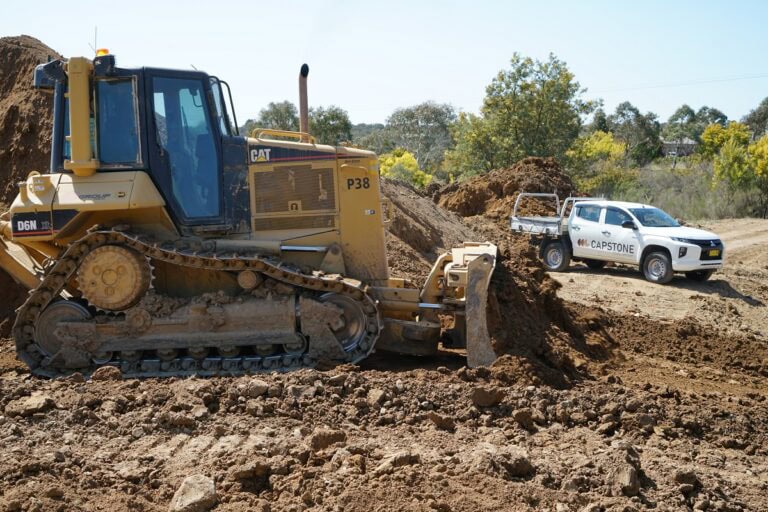
Bulldozers are strong vehicles with wide blades. They push large amounts of soil or debris. They’re often used to clear land and make surfaces flat before building starts. Transporting these heavy machines needs specialized transport vehicles. These vehicles are made to handle their weight and size properly.
When moving heavy machinery, careful planning is a must. Heavy machinery haulage involves ensuring all equipment is moved safely and efficiently from one place to another. Good site preparation for haulage helps reduce risks tied to transporting oversized loads across different terrains.
Farming Machinery
Farming machinery is also part of heavy equipment needed for large operations. This equipment focuses on farming tasks. Tractors are key to modern farming practices. They help with plowing fields, planting seeds, and moving goods around farms.
Transporting agricultural equipment needs specialized freight services. These services know the specific needs of farmers. Timely delivery while following safety standards helps farmers get the most out of busy seasons.
Mining Equipment
Mining operations depend on special heavy equipment designed to extract resources from the earth safely and effectively. Mining equipment transport services specialize in getting these large machines where they’re needed—often in remote areas far from cities.
Heavy load delivery systems must manage industrial component transportation without compromising safety or efficiency in tough mining environments.
Additional Considerations in Heavy Equipment Types
Importance of Load Distribution
When handling heavy loads, understanding load distribution is very important. Properly spreading weight ensures stability during transportation and less wear on both vehicles and cargo over time. Following cargo securement standards keeps loads safe during transit, reducing accidents caused by shifting cargo.
Specialized Attachments and Accessories
Many heavy machines come with specialized attachments that enhance their usefulness based on project needs. Crane services are helpful for lifting very heavy items or placing them in tight spots—this is often necessary in many construction situations.
Modular transport solutions also help move complex assemblies that need to be put together after they arrive at their destination. This makes logistics much easier compared to traditional methods alone.
Environmental Impact of Different Machines
The environmental effects of different types of machines shouldn’t be ignored when talking about heavy equipment haulage today; projects related to renewable energy need special transportation solutions designed for eco-friendly goals that aim to lower carbon footprints across supply chains historically reliant on fossil fuels.
Planning and Preparation for Safe Transportation
Transporting heavy equipment requires careful planning. This includes doing risk assessments, following safety rules, securing loads properly, planning routes, and getting necessary permits.
Risk Assessment and Safety Regulations
It’s super important to look at potential risks when moving heavy equipment. A good risk assessment helps find hazards like bad road conditions, weather issues, and vehicle problems. Knowing these things lets companies come up with ways to lower risks.
Following safety regulations is not just a rule; it’s also a way to keep everyone safe. Being compliant means that heavy haulage operations can happen safely without creating legal troubles. It’s also wise to have emergency response plans ready. These plans tell everyone what to do if something goes wrong during transport.
Load Securement Techniques for Heavy Equipment
To prevent accidents while transporting goods, proper load securement is key. Good cargo securement keeps the load from moving around too much on the road. This helps avoid tipping or shifting that can cause dangerous situations.
Using the right tools, like chains or straps, is important for keeping everything steady. These tools must meet specific standards based on what’s being transported. Also, checking securing methods before leaving ensures everything stays safe during the trip.
Route Planning and Permit Acquisition
When planning a route for oversized loads, consider factors like bridge heights and weight limits. Analyzing maps helps avoid unexpected challenges along the way.
Getting the right permits ahead of time stops legal headaches during transport. Each area has its own rules for oversized loads, so knowing how to get those permits makes managing logistics smoother and avoids delays during big projects.
Choosing the Right Transport Methods and Companies
When you’re moving heavy equipment, picking the right transport method and company is super important. This choice can change how fast your project goes, how much it costs, and how well things run. Knowing what options are available for heavy equipment transport helps make logistics smoother.
Specialized Trailers for Different Types of Loads
Heavy loads need special trailers to keep everything safe. Here are some common trailer types used in heavy machinery haulage:
- Lowboy Trailers: These are great for transporting heavy equipment like excavators and bulldozers because they have a low deck height. This means you won’t go over height limits.
- Step Deck Trailers: They have two levels. This design helps when you need extra height clearance for oversized loads that won’t fit on a standard flatbed.
- Multi-Axle Trailers: These trailers spread the weight across several axles. This keeps them stable and makes sure they follow legal weight limits.
Choosing the right trailer type helps follow rules and keeps your expensive equipment safe from damage.
Factors in Selecting a Reliable Transport Company
Finding a reliable transport company takes some thought. Here are key points to consider:
- Experience and Expertise: Pick companies that focus on heavy equipment transport. Look for ones with a solid record of managing similar projects successfully.
- Safety Standards: It’s key to check if the company follows safety rules. A good provider will have emergency response plans ready.
- Fleet Availability: A varied fleet is a good sign. It shows that the company can handle different types of machinery and specific project needs.
Taking time to evaluate these points can help reduce risks during logistics planning for big projects.
Additional Considerations
Besides the basics, think about these extra factors when choosing a transport service:
- Check if the company has experience with tricky challenges like transporting to remote areas or meeting interstate haulage rules during large projects.
- Look into how well they communicate during planning stages; good customer service can really help with smooth project execution.
By carefully checking all these aspects—transport methods, trailer types, and what makes a good company—you’ll be better prepared to complete your big projects involving heavy equipment haulage successfully.
Cost Considerations and Technological Advancements
Cost Factors in Heavy Equipment Haulage
When you’re planning to move heavy equipment, knowing the costs is super important. Here are some key factors to think about:
- Fuel expenses: Prices can change a lot based on where you are and market trends. This affects how much you spend on transport.
- Labor costs: Depending on the job’s complexity and needed skills, these costs can vary. Specialized transport vehicles often require trained operators, which adds to the expense.
- Equipment maintenance fees: Keeping your vehicles in top shape costs money too.
Larger loads mean more expenses. They often need special permits or extra help for oversized load transport. The distance also matters; longer trips usually cost more because of higher fuel use and wear on the vehicle.
To avoid surprises in logistics for heavy equipment transport, it’s crucial to budget accurately. Thorough financial planning helps cover all possible costs related to route planning for heavy loads and compliance with industrial equipment transport regulations.
Technology in Tracking and Managing Transportation
Technology has changed how we track and manage transportation for heavy equipment haulage. GPS tracking systems give real-time info on where your load is and when it will arrive. This not only keeps communication clear but also lets companies fix any problems quickly while in transit.
Logistics management software makes operations smoother by automating tasks related to freight management solutions like delivery scheduling and shipment records. These tools cut down on mistakes and boost efficiency in supply chain management.
Data analytics helps find the best routes by looking at traffic patterns, weather conditions, and other factors that could affect travel time. By using this data, businesses can reduce delays and lower operational costs linked to remote area transport.
FAQs About Heavy Equipment Haulage
What is heavy machinery haulage?
Heavy machinery haulage involves transporting large and heavy equipment for construction or industrial projects.
How do you ensure safe transport in remote areas?
We assess risks and plan routes carefully to handle challenges like rough terrain and limited access.
What are project cargo services?
Project cargo services focus on transporting oversized and special items that require careful planning and execution.
What does tailored transport solutions mean?
Tailored transport solutions refer to customized logistics strategies designed to meet specific project needs.
What is interstate haulage?
Interstate haulage involves moving heavy loads across state lines, adhering to different regulations and permits.
How do you manage emergency response plans?
We develop comprehensive emergency response plans that outline procedures for potential issues during transport.
What types of trailer services are available for heavy loads?
Trailer services vary from lowboy to multi-axle trailers, each designed for specific load types.
Key Points
- Heavy Machinery Haulage: Essential for large-scale projects.
- Freight Services: Reliable options for transporting goods.
- Remote Area Transport: Overcoming geographical challenges.
- Interstate Haulage: Navigating legal regulations between states.
- Project Cargo Services: Focused on oversized shipments.
- Tailored Transport Solutions: Customized logistics for every project.
- Transportation Planning: Strategically mapping routes and schedules.
- Emergency Response Plans: Preparedness in case of unexpected events.
- Large-Scale Projects: Managing logistics at a grand scale.
- Over Dimensional Transport: Handling non-standard loads safely.
- Heavy Load Delivery: Ensuring secure transportation of massive equipment.