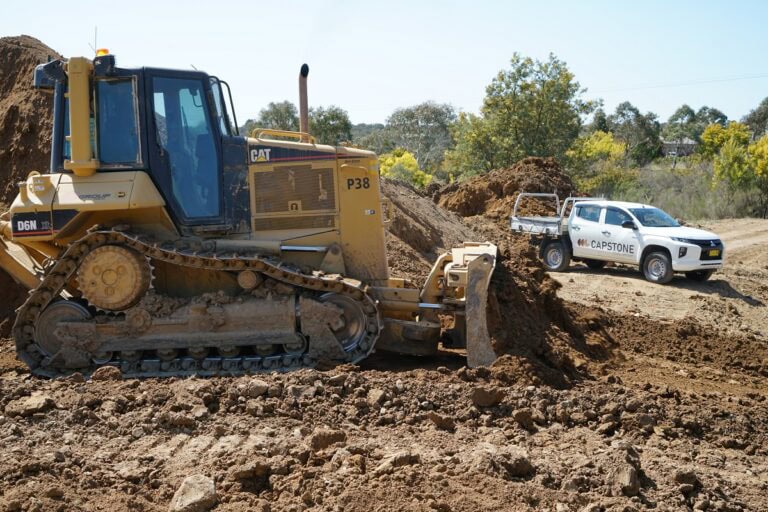
Comprehensive Guide to Civil Construction Services

The ‘Comprehensive Guide to Capstone Civil Group’s Civil Construction Services’ outlines everything you need to know about civil construction and its essential services. This complete guide provides insights into effective practices, expert tips, and the critical elements that define successful construction projects.
A Comprehensive Overview of Civil Construction Services
Civil construction is super important. It helps build and fix the stuff we need in our communities, like roads, bridges, and tunnels. These projects are key to making sure everything works well for everyone.
What is Civil Construction?
Civil construction is all about the services we use to build important structures in our society. This includes heavy civil construction, which focuses on big projects like highways and public buildings. There’s a lot of planning involved, and many people work together to get it done right.
Civil construction services cover tasks like:
- Site preparation
- Excavation
- Earthmoving
- Building different structures
Each project needs skilled people who know a lot about civil engineering.
Types of Civil Construction Services
There are different types of civil construction services to meet various needs:
- Utility Services: Setting up water pipes and electrical systems.
- Road Construction: Making new roads or fixing up old ones.
- Bridge Construction: Building bridges that can hold heavy loads.
- Tunnel Construction: Digging tunnels for cars or trains.
- Sewerage Systems: Creating systems to manage waste safely.
- Water Reservoirs: Building places to store water for when we need it.
These services are essential because they help keep our towns running smoothly.
The Importance of Civil Construction in Shaping Our Infrastructure
Civil construction plays a big role in community development. It helps create facilities that boost the economy and improve people’s lives. Good infrastructure makes urban areas better for living and working.
Enhancing Connectivity and Transportation
Transport infrastructure is super important for any economy. It helps people travel from place to place easily. Strong railway networks allow for quick trips between cities. Airports help connect us to the rest of the world. Well-made roads make daily commutes much easier.
When communities invest in transport projects, they can expect better access, which leads to increased productivity in businesses.
Facilitating Trade and Economic Growth
Public works from civil engineering projects support economic growth. When governments give out contracts for big jobs, it creates jobs too. This attracts businesses looking for good locations with strong infrastructure.
Better roads and transport options lower costs for moving goods. This means businesses can reach more customers, which helps local economies grow.
Improving Quality of Life for Communities
Quality assurance is a big deal in construction today. Companies work hard to make sure they don’t harm the environment while building. Sustainable practices help protect nature while still meeting people’s needs today.
By using smart construction methods, we can ensure that communities have better living standards now and in the future.
Key Players in the Civil Construction Industry
Capstone Civil Group: An Industry Leader
Capstone Civil Group is a leading name in civil construction. We provide many services that cover different parts of the industry. Our focus is on project management and infrastructure services. We are great at heavy civil construction projects and work hard to get them done well. Our civil contractors are committed to quality and safety in every step of the construction process.
Our Expertise and Experience
At Capstone Civil Group, we have a lot of skills in civil engineering. We handle building construction, excavation, earthmoving, and site preparation. With our experience, we can manage complex projects and keep high standards. Our team knows how to solve problems that come up during work.
Commitment to Excellence and Innovation
We care about sustainable construction methods. This means we use new technology to make our work better. Quality assurance is important for us; we always try to improve through new ideas that help us work faster while keeping the environment safe.
Other Key Stakeholders in Civil Construction Projects
Many important players join together to make civil construction projects successful. This teamwork goes beyond general contractors like Capstone Civil Group.
Architects and Engineers
Architects and engineers are key in planning infrastructure projects. They bring skills in structural engineering, municipal engineering, and transportation engineering. Their work helps create safe places that serve community needs well.
Contractors and Subcontractors
General laborers are vital to the construction workforce. Skilled tradespeople—like carpenters, plumbers, welders, and electricians—have specific skills that are necessary for completing various tasks within larger projects. Working with subcontractors makes sure qualified people handle all parts of a project properly.
Government Agencies and Regulators
Government agencies make sure builders follow regulations related to building codes. These codes help keep people safe during local government construction projects. They also check environmental regulations to protect our natural resources while allowing communities to grow.
Understanding these key players helps us see how important each role is in civil construction projects. Teamwork really does drive progress forward!
Planning and Design: Laying the Foundation
Planning and design are super important in civil construction. They help to make sure that projects go smoothly from start to finish. This stage includes doing feasibility studies, picking sites, and considering designs that guide the whole building process.
Feasibility Studies and Site Selection
Before any digging starts, it’s crucial to carry out a feasibility study. This study checks if a project is possible by looking at many factors, like:
- Site Surveying: This helps understand what the land looks like and if it can be used for building.
- Environmental Engineering: This checks how a project might affect local wildlife and plants, making sure everything is safe for the environment.
- Excavation and Earthmoving: Knowing about soil conditions is key. It helps choose the right methods for digging.
Choosing the right location means taking these things into account so civil works can move ahead without big issues.
Design and Engineering Considerations
After picking a site, it’s time to focus on designs and engineering needs. Structural design has to follow building regulations that keep people safe. Key aspects include:
- Materials Engineering: Picking strong materials not only makes buildings look good but also cuts down maintenance costs in the future.
- Building Regulations Compliance: Following local rules makes sure everything stays safe during building and after it’s done.
Using new technology in designs can boost how buildings work while saving resources—important for modern civil construction.
Execution and Construction: Bringing Plans to Life
Now that planning is done, it’s time for action—the part where plans become real. Good management during this stage helps keep projects on track with budgets.
Materials Procurement and Logistics
A solid procurement plan is key to controlling construction costs. Important steps include:
- Finding dependable suppliers who offer quality materials at fair prices.
- Organizing logistics so materials get to the site when they’re needed, helping avoid delays.
- Carefully picking contractors makes sure skilled people handle specific tasks well.
This approach saves money while making the best use of resources throughout building construction.
Construction Methods and Technologies
The way construction is done affects how fast projects finish and how well they turn out in the end. Civil contractors often look into sustainable methods, like using recycled materials or energy-efficient machines that help the environment while cutting costs.
Using technologies like Building Information Modeling (BIM) lets teams see projects clearly from start to finish—helping everyone stay connected during heavy machinery work at different stages.
Commissioning and Maintenance: Ensuring Long-Term Success
When construction ends, it’s time for commissioning—this moment checks if everything works right! After that comes ongoing infrastructure maintenance; keeping quality high ensures long-lasting investments pay off over time.
Testing and Inspection
To make sure everything follows regulations after building wraps up, testing plays an important role before official handover! Safety rules say inspections need to happen regularly based on set guidelines to check if systems are running well and spot any areas needing fixes by qualified inspection services.
Maintenance and Repair Strategies
Good maintenance strategies keep buildings running smoothly after opening day parties are over… Local governments rely on public works departments to handle issues in communities served—including wastewater treatment plants that need regular care to keep health standards met year-round!
Essential Elements for Success in Civil Construction
Cost Estimation and Budgeting: Managing Financial Resources
Cost estimation and budgeting are super important for any civil construction project. They help use financial resources wisely, which is key to construction management.
Factors that can change project costs include:
- Materials
- Labor
- Equipment rental
- Overhead expenses
You have to think about all these during the planning stage to stop budget issues later. Choosing the right contractor is also a big deal; experienced contractors usually know about hidden costs that can pop up.
To get better at budgeting in civil construction jobs, try these techniques:
- Use past project data to see cost trends.
- Evaluate the project thoroughly before starting, looking at site conditions and client needs.
- Get vocational education to learn financial planning skills specific to construction.
Regulatory Compliance: Navigating the Legal and Ethical Landscape
Regulatory compliance means following the laws and ethical rules for civil construction. This includes building codes and environmental regulations that keep people safe and promote good practices.
Building codes give specific rules on things like:
- Design standards
- Structural safety
- Fire safety
- Accessibility
Knowing these codes helps avoid legal problems and keeps quality high during building.
Environmental regulations aim to protect nature while doing construction work. Using sustainable construction practices not only meets these rules but also benefits communities by using resources wisely in public infrastructure projects.
Quality Assurance and Safety: Prioritizing Standards and Safety
Quality assurance is key to keeping high standards in every part of a civil construction project. At the same time, safety protocols are essential to protect workers from risks like heavy machinery operation.
Quality control involves checking for problems early through:
- Inspection techniques specific to civil works
- Setting industry best practice benchmarks
Regular assessments can catch issues before they grow big, which helps keep projects on time and within budget.
Safety protocols need to be enforced, along with strong risk management plans. Workers face many dangers daily, so proper training on safe operations of complex machinery is crucial. Periodic emergency drills raise awareness among teams, making it easier for everyone to work together toward safety goals. This teamwork not only boosts morale but also makes projects more efficient overall!
Innovations and Sustainable Practices in Civil Construction
The civil construction industry is changing fast. New technology and a focus on sustainable practices are driving this change. These innovations improve project efficiency and aim to reduce the impact on our environment. This makes them very important for modern infrastructure services.
Technological Advancements: Transforming the Industry
Technology is reshaping how civil engineering projects are designed and built. Two big areas of focus are virtual design and construction (VDC) and robotics and automation.
Virtual Design and Construction (VDC)
Virtual design and construction (VDC) uses building information modeling (BIM). This helps create digital models of buildings before any work starts. By visualizing site preparation, teams can spot problems early in planning. This means fewer costly delays when real construction begins.
Robotics and Automation
Robotics and automation are improving efficiency in heavy civil construction. Modern equipment now has automated systems to handle repetitive tasks with great accuracy. This reduces mistakes and lets skilled workers focus on more complex jobs, boosting overall productivity.
Sustainable Construction: Protecting the Environment
Sustainable construction is key to reducing the environmental impact of building projects. Important parts of this include using green building materials, energy-efficient practices, and effective waste management strategies.
Green Building Materials
More builders are using green building materials. These eco-friendly products help with sustainable materials sourcing. They not only reduce damage to the environment but often last longer than traditional materials. Using these materials in new buildings supports a circular economy by focusing on renewable resources.
Energy-Efficient Practices
Energy-efficient practices help save energy during a project’s life cycle. Energy conservation strategies can lead to lower operational costs over time while cutting down on greenhouse gas emissions from energy use.
Waste Management and Recycling
Good waste management is vital for successful construction projects. Using demolition services that focus on waste reduction helps recycle materials instead of throwing them away. This approach fosters community development by encouraging responsible habits among local people.
By embracing these innovations along with sustainable practices, companies show their commitment to advancing civil engineering while also protecting the environment for future generations.
Showcase of Capstone Civil Group’s Projects
Capstone Civil Group is well-known in civil construction. They have worked on many successful projects. These projects include infrastructure services and community development. The skilled civil contractors at Capstone have done an amazing job. Some highlights include local government construction projects that help improve public spaces.
Success Stories and Impact
Capstone’s work has made a real difference in many areas like building construction, road construction, bridge construction, sewerage systems, and water supply management. Here’s how their projects help communities:
- Better Transportation: New roads and bridges make it easier for people to get around.
- Health Improvements: Updated sewerage systems keep the environment cleaner.
- Essential Services: Good water supply management helps homes and businesses.
These efforts not only meet today’s needs but also provide lasting benefits to communities.
Emerging Trends and Future Perspectives
The world of civil construction is always changing. Several new trends are shaping its future. Technological advancements are changing how projects are planned and carried out. With data analytics and artificial intelligence, companies can make smarter choices that improve operations.
Sustainable construction practices are also becoming more common. Techniques like prefabrication and modular construction help cut down waste and increase efficiency.
Innovations in Project Management
To keep up with these trends, project management has had to evolve. Key strategies now include:
- Project Bidding: Digital platforms make bidding easier.
- Contractor Selection: Choosing contractors based on their past performance instead of just cost.
- Project Evaluation: Technology helps track progress, keeping everything on time and within budget.
These changes help everyone involved stay informed while making better use of resources.
The Role of Technology in Civil Construction
Technology is changing civil construction in big ways. One method is virtual design and construction (VDC). This technique lets teams see a project before they start building it. Robotics and automation are also helping by making hard tasks safer and quicker.
Sustainable Practices Shaping the Future
Sustainability is key for the future of construction. Using green building materials lowers harm to the environment during building processes. Energy-efficient practices save money on running costs while supporting global sustainability goals.
Workforce Development for Future Needs
With all these changes in civil engineering, workforce development is very important. Programs focusing on vocational education, like Certificate III in Civil Construction, prepare workers for the field. Hands-on experience through apprenticeships gives new workers essential skills for various trades. This ensures that future demands will be met without losing quality or safety in heavy civil construction projects undertaken by firms like Capstone Civil Group.
Frequently Asked Questions (FAQs)
What are civil construction jobs? Civil construction jobs involve various roles in building and maintaining infrastructure. These can include engineers, project managers, and skilled laborers.
What types of civil construction roles exist? Roles in civil construction range from general laborers to specialized positions like structural engineers and safety officers. Each role plays a key part in project success.
How does construction management work? Construction management involves planning, coordinating, and overseeing projects. It ensures they meet deadlines and budgets while maintaining quality standards.
What vocational education is needed for a career in civil construction? Vocational education programs offer training for various roles in civil construction. They provide essential skills through hands-on experience, preparing students for industry demands.
Is there job security in construction? Job security in construction can vary based on economic conditions. However, skilled workers often find consistent employment due to ongoing infrastructure needs.
How can someone start a career in civil construction? Starting a career in civil construction often begins with vocational education or apprenticeships. Gaining experience through internships can also be beneficial.
What is the role of project management in civil construction? Project management is critical in civil construction. It ensures that projects are delivered on time, within budget, and meet quality expectations.
What are fire protection services in civil construction? Fire protection services focus on preventing and controlling fires in buildings. This includes installing safety systems and ensuring compliance with regulations.
How does municipal engineering contribute to community development? Municipal engineering designs essential infrastructure like roads and drainage systems. This enhances urban living by improving accessibility and safety.
Why is construction quality management important? Construction quality management ensures projects meet required standards. It reduces errors and promotes safety throughout the building process.
Key Points:
- Grading: Prepares land for building by leveling or sloping it.
- Erosion Control: Protects soil from washing away during rain.
- Construction Safety: Ensures workers follow safety protocols to prevent accidents.
- Quality Assurance: Regular checks maintain high standards throughout the project.
- Building Materials: Essential supplies chosen based on durability and sustainability.
- Flood Management: Designs systems to handle excess water during storms.
- General Labourer: Supports various tasks on-site, aiding skilled tradespeople.
- Infrastructure Investment: Funds projects that improve community facilities.
- Construction Efficiency: Techniques used to reduce time and costs during projects.
- Contractor Selection: Choosing qualified contractors based on experience is crucial.
- Project Implementation: Steps taken to bring plans into action effectively.
- Regulatory Compliance: Adhering to laws ensures safe and legal operations.
- Commercial Construction: Focuses on building non-residential structures.
- Demolition Services: Safely dismantles structures for new developments.
- Structural Design: Ensures buildings can withstand forces like wind or earthquakes.
- Construction Scheduling: Timelines created to manage phases of work efficiently.
- Construction Costs: Budgeting based on materials, labor, and overhead expenses.
By understanding these aspects, you can appreciate the complexity of the civil construction industry better.