Environmental Earthworks – Techniques and Importance

Environmental earthworks are foundational elements in civil engineering. By understanding various earthwork techniques such as excavation and grading, professionals can ensure effective soil management and site preparation, crucial for successful construction projects.
Essential Earthwork Techniques
Environmental earthworks are key to any civil engineering project. Knowing about different earthwork techniques helps with site preparation, excavation methods, and grading procedures. This knowledge ensures proper land use and supports the safety and durability of structures.
Site Preparation Methods
Site preparation is a crucial first step in construction. It includes several activities that get the land ready for building. The main parts are:
- Clearing and Grubbing: This involves getting rid of vegetation, debris, and obstacles from the site. Clearing makes a clean workspace, while grubbing focuses on removing stumps and roots that could cause problems later.
- Excavation Processes: Excavation means digging out soil or rock to prepare foundations or other structures. It’s important to plan how much material needs to be removed based on the design.
- Grading Procedures: Grading is all about leveling the ground and making slopes for drainage. Good grading keeps water from pooling around structures, reducing erosion or flooding risks.
These steps are important so that construction can proceed smoothly without delays.
Soil Stabilization Approaches
Soil stabilization is necessary to keep structures safe over time. There are a few methods that work well:
- Mechanical Compaction: This method increases soil density by using heavy machinery to compress soil layers tightly together. This boosts load-bearing capacity and helps prevent settling problems.
- Chemical Stabilization: This involves mixing additives like lime or cement into the existing soil to improve its properties. It strengthens the soil, reduces plasticity, and helps avoid erosion under stress.
Both mechanical compaction and chemical stabilization are essential techniques for engineers when preparing sites where stability might be an issue due to poor drainage or heavy traffic loads.
Understanding these earthwork techniques provides a solid base for successful projects by ensuring compliance with safety standards during development phases.
Erosion Control Strategies
Erosion control is really important. It helps keep soil from washing away and stops sediment from getting into our water. Using good erosion control measures can help restore nature and support environmental sustainability. They also make construction sites safer and improve stormwater management, which is key to preventing flooding.
Effective Measures for Erosion Control
There are several effective measures for erosion control. These include using silt fencing applications and erosion control blankets. These techniques can manage land disturbance by stabilizing the soil and reducing sediment loss, especially during heavy rain.
Silt Fencing Applications
Silt fences are essential for controlling sediment runoff from construction areas. They act like barriers, stopping muddy water from leaving the site. For proper installation, make sure to bury the fence at least six inches deep to stop water from going under it. Also, posts should be placed every six feet to keep it secure.
To keep silt fences working well, check them often for any damage or blockages caused by sediment buildup. If they get too full, you might need to replace or reinforce them to ensure they still work.
Use of Erosion Control Blankets
Erosion control blankets come in two main types: biodegradable and synthetic materials. Biodegradable blankets help plants grow while protecting soil from erosion; they break down over time as vegetation becomes established. Synthetic options last longer but may have environmental impacts that need careful thought.
These blankets protect bare soils on slopes or newly graded areas after land disturbance. When applying them, use staples or netting for anchoring so they don’t blow away in the wind or wash away in the rain.
Drainage Solutions in Earthworks
Good drainage solutions are necessary for earthwork projects. They help manage excess water and prevent flooding caused by poor water management.
French Drains Installation
French drains are designed to manage subsurface water flow around structures that might get wet easily. To install a French drain, dig a trench and fill it with gravel around perforated pipes that redirect groundwater away from those areas.
When placing French drains, pay attention to the topography of the land—placing them along natural slopes helps them work better while minimizing impacts on the surrounding environment.
Swales Implementation
Swales are shallow channels made to direct surface water runoff towards designated drainage points without causing erosion issues. The design should promote water soaking into the ground rather than quickly flowing away, which could lead to unfiltered runoff entering local waterways.
Using swales in landscape designs, like next to roads, gives benefits related to flood prevention while improving the look of an area and supporting overall ecological health.
Ensuring Slope Stability
Maintaining stable slopes is super important in environmental earthworks. It helps prevent landslides and stops erosion. We can use various techniques to ensure slope stability. These techniques mix ideas from geotechnical engineering with ecological restoration.
Techniques for Maintaining Stable Slopes
One solid way to keep slopes stable is through retaining wall construction. Retaining walls hold back soil on steep land, which supports the foundation. They are usually made of concrete, stone, or timber. These walls help with soil conservation by stopping erosion during heavy rain or floods.
Another useful technique is implementing terracing. This changes the land’s shape by creating flat areas on slopes. By doing this, we slow down water runoff and let more water soak into the ground. Terracing not only keeps slopes stable but also helps with sustainable excavation, boosting farming while being kind to the environment.
Soil reinforcement methods are key for slope stability too. One method is mechanical compaction, which makes soil denser so it doesn’t shift easily under pressure. Chemical stabilization involves adding substances that make soil particles stick together better, which strengthens their load-bearing ability.
Using vegetation as a stabilization technique has both looks and benefits! Plants bind soil with their roots and increase biodiversity in disturbed areas—helping preserve habitats.
Lastly, ongoing monitoring and maintenance practices are crucial for safety and managing risks in slope projects. Regular checks help spot any weaknesses early, allowing for quick fixes to keep everything safe and sound throughout the project’s life.
By using these different methods—from retaining walls to plants—we can lower the risks of unstable slopes while keeping our environment balanced.
Equipment Utilized in Earthwork Operations
In earthwork operations, using the right equipment is key for getting the job done well and safely. Different types of machinery are involved in tasks like excavation, grading, and soil management. Knowing how to use these tools can make construction project management easier and improve site safety.
Common Machinery Used
The most common machinery in earthwork includes excavators, bulldozers, and graders. Each machine has a specific role that helps speed up construction projects.
- Excavators: These are great for digging and moving materials. They come with different attachments like buckets or hammers for various excavation methods.
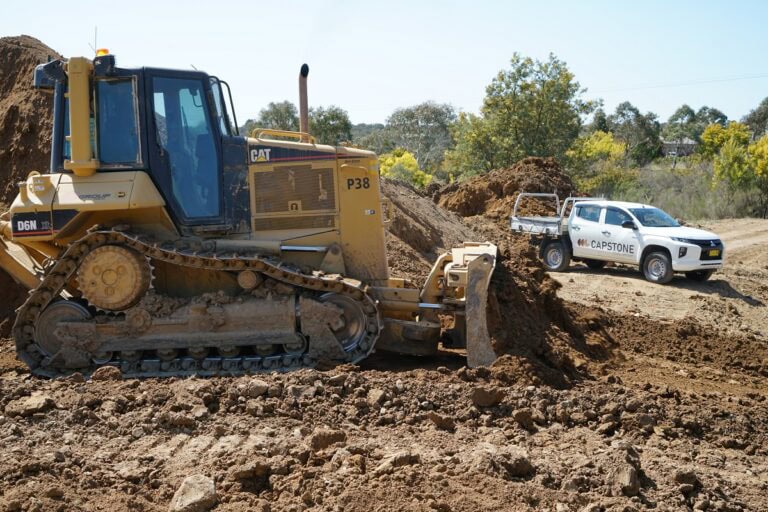
- Bulldozers: Bulldozers help with land disturbance management by moving large amounts of soil quickly. They are essential for site preparation.
- Graders: Graders are used for leveling surfaces. They create drainage solutions through precise grading techniques.
Role of Excavators
Excavators are among the most useful heavy machines in earthworks. They excel at different excavation methods, making them essential on busy job sites. An excavator with a bucket can quickly remove a lot of soil. This is especially helpful for foundation work or trenching.
These machines also handle materials like rocks or debris effectively when using special attachments. This capability boosts productivity by cutting down on delays from manual labor.
Functions of Bulldozers
Bulldozers play many roles that are crucial for effective site preparation in earthmoving operations. Their strong design allows them to manage land disturbances easily while performing grading procedures across different terrains.
The blade on a bulldozer can be adjusted based on the task—whether it’s pushing dirt or spreading it evenly across an area. This flexibility is very important during early stages, like clearing away vegetation before detailed work starts.
Usage of Graders
Graders focus on perfecting surfaces using advanced grading techniques aimed at achieving proper leveling and efficient drainage solutions. These machines ensure that areas meant for paving have the right slope to prevent water pooling—a problem that could damage structures if ignored from the start.
Graders also help manage construction materials throughout projects by preparing stable bases. This means later layers can be added without losing strength due to moisture under asphalt laid on poorly graded foundations!
Safety Considerations with Equipment
Safety during earthwork operations starts with proper training for operators. Training should cover each type of machinery used onsite—from heavy machinery operation to routine maintenance checks to ensure everything works well over time!
Following local government regulations improves safety practices across all worksites, lowering risks linked directly back to operators who take their responsibilities seriously every day. Personal protective equipment (PPE) is crucial too; wearing it properly keeps everyone safe while working near active machinery or others around them.
Creating a culture of safety not only protects workers but also leads to smoother project progress overall!
Safety Considerations in Earthwork Projects
Safety is super important in earthwork projects. Knowing the risks and using the right safety measures can keep workers and the environment safe. This section will look at key safety practices that should be a part of every earthwork project.
Important Safety Practices
Making sure project safety happens starts with careful planning. It’s also crucial to be aware of construction site safety rules. Using personal protective equipment (PPE) gives extra protection to workers on-site. Risk management in earthworks means spotting potential dangers early so teams can come up with ways to handle those risks.
Conducting Soil Testing
Before digging begins, soil testing is a must. This process checks soil properties through sediment analysis and environmental impact assessments. These tests show if there are harmful substances or unstable ground that could cause trouble during construction. Knowing what’s in the soil helps teams figure out the right precautions and solutions.
Employing Personal Protective Equipment (PPE)
PPE is key for keeping construction site safety high. Workers need to wear things like helmets, gloves, goggles, and bright clothing while they’re on-site. Training workers on how to use PPE correctly helps reduce injuries from accidents or harmful materials they might find during their work.
Implementing Site Safety Protocols
Setting clear site safety protocols is essential for protecting everyone involved in an earthwork project. This means clearly defining roles related to health and safety within the team during construction planning. Regular checks should happen to ensure these protocols are being followed; this proactive approach helps stop accidents before they happen.
Training and Certification for Workers
Putting time into training programs makes workers better at managing risks in earthworks projects. Offering certification gives employees important skills and creates a sense of responsibility about safety standards among all team members working on the project.
By adding these practices into your routine, you’ll help create a safer workspace that leads to successful outcomes while following industry standards for environmental protection throughout each stage of your projects.
FAQs on Environmental Earthworks
What are eco-friendly construction practices?
Eco-friendly construction practices aim to minimize environmental impact. They include using sustainable materials, energy-efficient designs, and efficient waste management.
How does biodiversity relate to excavation?
Biodiversity in excavation involves protecting wildlife during site preparation. It ensures that habitats are preserved and encourages the use of methods that promote ecological balance.
What is construction grading?
Construction grading refers to the process of leveling land. It is crucial for drainage and ensures a solid foundation for buildings and other structures.
What are sustainable excavation techniques?
Sustainable excavation techniques reduce environmental harm. These methods focus on minimizing land disturbance and preserving natural ecosystems during construction.
What is rock excavation?
Rock excavation involves removing hard rock to prepare a site for construction. Specialized equipment is often required for this type of work.
What is archaeological excavation?
Archaeological excavation involves carefully digging at sites of historical interest. It helps uncover artifacts while minimizing damage to the area.
Why is construction materials management important?
Construction materials management optimizes resource use. Proper management reduces waste and promotes recycling, supporting sustainability goals.
Key Points
- Wastewater Management: Essential in construction projects to prevent contamination.
- Energy-Efficient Design: Focuses on reducing energy consumption during a building’s lifecycle.
- Buffer Zones: Areas left undisturbed to protect sensitive environments from development impacts.
- Ecologically Sensitive Areas: Regions that require special protection due to their unique ecosystems.
- Topography Alteration: Changing the land’s shape impacts drainage and stability.
- Foundation Support Techniques: Ensure structures remain stable, even in challenging soils.
- Landscape Grading: Affects both aesthetics and functionality of outdoor spaces.
- Project Planning Strategies: Effective planning ensures efficiency and sustainability in execution.
- Fill and Cut Techniques: Involve cutting soil from one area and using it to fill another, aiding in grading efforts.