Kerb and Gutter Installation – Best Practices and Benefits

Understanding the importance of kerb and gutter installations is key for managing water flow in towns. These systems help control rainwater, keeping it away from streets and homes. When done right, kerb installation stops flooding by guiding water into drainage areas. This keeps roads safe and reduces soil erosion in rivers and lakes.
Kerbs also mark the edge between roads and yards, which helps direct runoff. They make sure water goes to gutters where it can be moved safely from places that need protection. Cities depend on these systems for proper drainage, making them crucial for urban planning.
Key Benefits of Professional Kerb and Gutter Services
There are many reasons to hire experts for kerb and gutter services. First, they help keep your property looking good, boosting curb appeal. When you invest in quality materials during gutter installation, you ensure that everything lasts longer. This means less time worrying about repairs.
Professional services also follow the rules that guarantee your kerbs and gutters will work well over time. Regular check-ups are great to catch problems before they become costly. Choosing a skilled team like Capstone Civil Group for your kerb installation means you get effective stormwater management and a more attractive property without breaking any regulations.
Types of Kerbs and Gutters
Kerbs come in many shapes. Each type has a unique role. Barrier curbs keep cars from going off the road, making streets safer. Mountable curbs help vehicles move smoothly between surfaces, which is great for parking lots. Flush curbs are level with the pavement. They help manage water runoff in city areas, keeping roads dry and safe.
Barrier Curbs
Barrier curbs are important for vehicle safety. They create a strong barrier that stops cars from leaving the road. This feature is key in busy places, where accidents can happen easily. Using barrier curbs can make traffic safer by reducing risks when drivers stray from their paths.
Mountable Curbs
Mountable curbs are handy for people and businesses. They make it easier for cars to switch from one surface to another, like from a road to a parking lot. This design helps keep sidewalks clear for pedestrians while allowing vehicles access when needed, which is important in commercial areas.
Flush Curbs
Flush curbing helps with stormwater management. They direct rainwater away from roads, preventing puddles and flooding. These curbs also fit well into landscaping designs, adding beauty while serving a practical purpose in urban settings.
Concrete vs. Asphalt Gutters
When it comes to gutters, both concrete and asphalt have their perks based on what you need.
Advantages of Concrete Gutters
Concrete gutters last long and are very strong. They resist damage from weather better than some other materials, meaning less upkeep over time.
Benefits of Asphalt Gutters
Asphalt gutters can save you money on projects since they are often cheaper. They’re also easier to install and fix if they get damaged during storms or regular use.
Gutter Materials Comparison
Different gutter materials can affect how well they last and how much care they need:
- Aluminium: It’s light but strong and won’t rust easily; however, it can dent.
- Steel: Very durable but can rust if not maintained right; often it’s galvanized.
- Vinyl: Affordable and light but may break in extreme cold.
- Copper: Looks nice as it ages; it’s pricey but stands up well against rust.
Choosing the right material affects how well water flows through gutters, ensuring proper drainage when heavy rains hit your area.
The Installation Process Explained
Site Preparation for Effective Installations
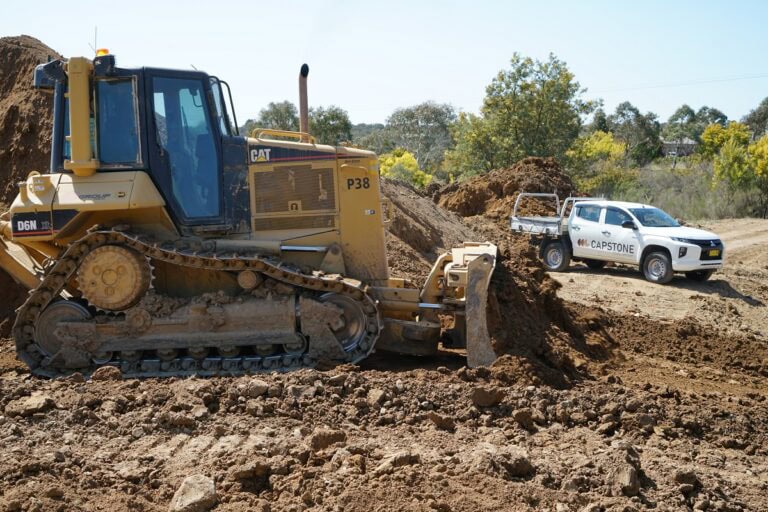
Getting the site ready is super important for installing concrete curbs and gutters. First, you need to do a property assessment to find out what drainage systems are already there and if there are any issues. After that, you will use excavation services to clear away any junk, plants, or old pavement where the curb and gutter will go.
Next up is grading. This means leveling the ground so water can flow away from roads and sidewalks. Grading helps keep water from building up, which can harm both curbs and gutters.
Also, using subgrade compaction methods makes a strong base under the concrete. When soil is compacted well, it helps avoid sinking later on. This keeps everything solid for a long time.
Grading Techniques
Grading techniques are key in sitework construction for curbs and gutters. This process involves making the ground flat and shaping it so it meets specific designs while letting water run off properly.
When grading, you should focus on subgrade preparation by moving extra dirt or adding more soil when needed. Good grading stops erosion and helps with effective drainage solutions that protect roads and nearby landscapes.
Concrete compaction is also very important during this step. It makes sure all layers beneath your curb system are packed tightly before pouring any concrete, which improves stability once it’s installed.
Subgrade Compaction Methods
Subgrade compaction methods help build strong foundations for concrete work like curbs and gutters. You can use vibratory rollers or plate compactors designed just for this task.
The goal here is concrete reinforcement through good density made by these methods. Well-compacted subgrades have fewer gaps in the soil underneath your structure. This means less chance of cracking or shifting later when loads are applied after curing.
Using effective drainage solutions along with proper compaction keeps water away from areas near installations, helping them last longer with less maintenance.
Step-by-Step Guide to Installing Curbs and Gutters
Installing kerbs (curbs) and gutters takes planning followed by careful steps:
- Formwork Setup: Start with formwork setup to create molds for pouring wet concrete.
- Concrete Pouring Procedures: When forms are ready, use quality materials mixed correctly according to local codes before pouring.
- Joint Construction Techniques: After everything sets, focus on joint construction techniques; these joints allow movement without breaking down the structure, making future maintenance easier.
Following these steps helps not only make them look nice but also work well over time. They become valuable parts of city designs managed effectively by professional gutter services!
Best Practices for Durable Installations
Picking the right materials and having good drainage plans are super important for making kerb and gutter installations that last. Let’s look at some tips to make sure they work well over time.
Material Selection Tips for Long-lasting Results
Choosing quality materials is really important for your installation. Here are some popular gutter options you can think about:
- Aluminum gutters are light and won’t rust.
- Steel gutters are strong but might need coatings to stop rust.
- Vinyl gutters cost less and are easy to put up, but they can break as time goes on.
- Copper gutters look nice and can last a long time, but they cost more.
When choosing materials, think about your local weather and how much traffic your gutters will handle. This helps pick the right materials that can deal with the conditions.
Ensuring Proper Drainage Integration in Designs
Good drainage plans help kerb and gutter systems work better. Here are some points to keep in mind:
- Look at where water usually flows on your property.
- Make sure slopes guide water towards drainage points.
- Add features like swales or berms if needed.
By thinking about these parts while designing, you can improve how stormwater is handled.
Surface Water Management Solutions
To keep properties safe from flooding during heavy rain, surface water management is key. One effective strategy is using catch basins in the right spots:
- Catch basins hold extra rainwater so it doesn’t overwhelm drains.
- They also catch debris that could block other drainage systems.
Putting these features into your design not only helps with rainwater but also makes the whole system work better during bad weather.
Incorporating Catch Basins
Catch basins are super helpful for keeping drainage systems clear. They collect dirt and debris before it goes into larger pipes or channels. Here’s how to place them well:
- Put them where water collects easily.
- Make sure they connect smoothly with existing drains for best performance.
Keep an eye on catch basins to make sure they’re clear of blockages. This way, they’ll work when you need them most.
Additional Considerations for Installation Durability
To keep your installations lasting a long time, regular maintenance is important:
- Check everything every six months or after big storms.
- Look for cracks or wear on curbs and gutters; fixing small problems early can save you money later.
By keeping up with these checks, you ensure that curbs stay strong and gutters do their job well over time while also making roads safer by preventing serious issues from neglecting small repairs.
Maintenance Strategies for Longevity
Keeping your gutters in good shape is super important. It helps avoid costly repairs and keeps water flowing the way it should. Here’s how to take care of your gutters properly.
Regular Cleaning Routines to Prevent Blockages
Here’s a simple plan:
- Spring: Clear out debris from winter.
- Summer: After big storms, check for blockages.
- Fall: Remove leaves and twigs before winter comes.
- Winter: Look for ice buildup that might block flow.
By sticking to this routine, you can help prevent clogged gutters.
Seasonal Inspection Checklists
Seasonal inspections are vital to keep both your roof and gutters working well. Here’s a handy checklist:
- Look for debris in the gutters.
- Check downspouts to make sure water drains away from buildings.
- Inspect the roof for missing shingles or leaks.
- Make sure gutter sections line up correctly.
These checks help spot issues before they turn into big problems.
Identifying Common Issues Early On
It’s smart to know what problems can happen over time, like leaks or misalignment. Here are some signs to watch for:
- Water pooling near foundations
- Cracks in curbs
- Gutter sections that seem loose
Finding these problems early means you can fix them quickly before they need major repairs.
Repair Techniques for Damaged Sections
When something goes wrong with your gutters, acting fast is important. Here are some ways to fix common issues:
- For small holes: Use a patching compound made for concrete.
- For joints that need resealing: Apply sealant meant for outdoor use after cleaning the area well.
- If there’s serious damage: You might need professional help instead of trying to fix it yourself.
Knowing when to call an expert can save you time and trouble while keeping everything safe during maintenance efforts.
Additional Considerations in Projects
Cost Factors Influencing Project Budgets
When you plan for kerb and gutter installation, it’s super important to know what affects your budget. The cost of installation can change based on several things. These include the materials you choose and how much labor you need. Doing a construction cost analysis can help you see these costs early on.
It’s a good idea to work with local contractors who know about concrete projects. They can help you find fair prices and do quality work. Picking quality materials matters too. Good materials make your project last longer but might cost more upfront. Spending wisely now can make property management easier later.
Environmental Impact & Sustainability Measures
Today, thinking about environmental considerations is key for any construction work, like kerb and gutter setups. Using sustainable construction practices helps limit harm to local wildlife and keeps resources in check.
Here are some ways to help the environment during installation:
- Use erosion control measures to protect soil.
- Set up effective stormwater management systems to cut down on pollution and flooding risks.
These steps not only keep nature safe but also help the community be ready for climate changes.
FAQs on Kerb and Gutter Installation
Q1. What is the purpose of kerb and gutter systems?
Kerb and gutter systems manage surface water flow, preventing flooding and directing rainwater runoff to drainage areas. They enhance safety on roads and protect properties.
Q2. How do I maintain my gutters?
Regular cleaning is essential. Inspect for debris, blockages, and damage every season. Check downspouts to ensure water flows away from your home.
Q3. Can I install gutters myself?
DIY gutter installation is possible, but professional services ensure compliance with building regulations. They also guarantee effective drainage solutions.
Q4. What materials are best for gutters?
Aluminum, steel, vinyl, and copper are common materials. Each has its advantages in terms of durability, cost, and maintenance needs.
Q5. How does sizing affect gutter performance?
Correct gutter sizing ensures proper rainwater collection and prevents overflow during heavy rainfall. It’s crucial for effective drainage.
Key Points
- Gutter Positioning: Proper placement directs rainwater efficiently.
- Gutter Repair: Address leaks and damages promptly to maintain functionality.
- Preventative Maintenance: Regular checks help avoid clogged gutters and costly repairs.
- Rainwater Collection Systems: Integrate systems to utilize stormwater effectively.
- Traffic Safety: Kerbs improve safety for vehicles and pedestrians.
- Urban Drainage Systems: Well-designed systems support urban development goals.
- Civil Engineering Services: Expertise ensures compliance with construction standards.
- Maintenance Strategies: Develop a schedule for regular inspections and cleaning.
- Flood Prevention Techniques: Use catch basins to manage excess rainwater effectively.