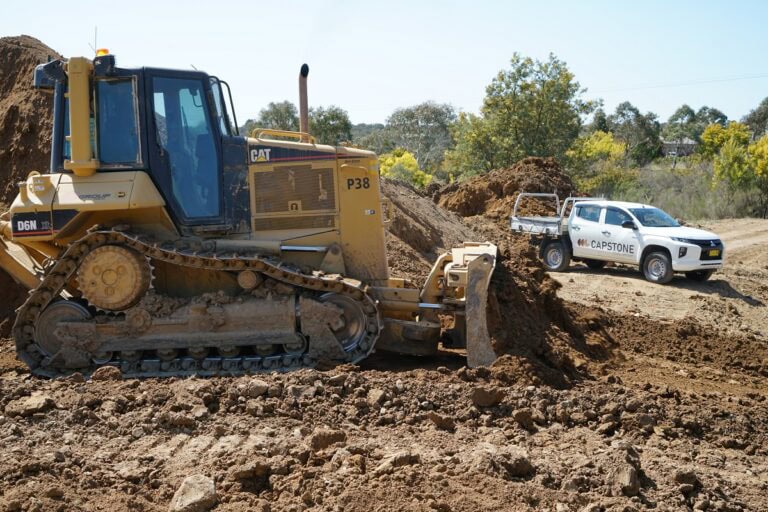
Pavement Durability: Key Considerations in Road Projects

Pavement durability is essential for road projects, ensuring long-lasting performance and safety. Key considerations include material selection, proper design practices, and regular maintenance to enhance the resilience of highway infrastructure.
Understanding Pavement Durability
Pavement durability is super important for road infrastructure. It shows how well pavement materials can handle different stresses and weather conditions over time. When pavement is durable, it means roads stay safe and useful for a long time without needing constant repairs.
Definition and Importance of Pavement Durability
Pavement durability includes a few key parts that help determine how effective it is. These parts are rutting resistance, fatigue resistance, moisture sensitivity, and weather resistance. Rutting resistance means that the pavement can keep its shape even when heavy trucks drive over it. Fatigue resistance helps stop cracks from forming due to repeated stress from vehicles.
Moisture sensitivity is also very important. Water can seep into pavement and weaken it over time. That’s why good drainage solutions are needed to keep water away from the surface. Weather resistance matters too! Pavements need to stand up to temperature changes and bad weather without falling apart.
The importance of pavement durability goes beyond just how well roads work at first. It affects maintenance costs, safety, and sustainability in road projects. Durable pavements don’t need repairs as often, which saves money and keeps traffic flowing smoothly.
Key Factors Influencing Pavement Longevity
A few main factors can impact how long pavements last:
- Material Selection: Using good quality materials suited for local conditions can really improve durability.
- Environmental Factors: Things like temperature changes, rain, and freeze-thaw cycles all play a role in how materials perform.
- Traffic Load Impact: The number and weight of vehicles on a road affect the stress on the pavement.
- Drainage Solutions: Effective drainage prevents water buildup that can cause damage.
- Construction Quality: How well the pavement is built matters a lot; bad construction can lead to problems down the line.
By understanding these factors, engineers at Capstone Civil Group design more durable roads that meet current needs while promoting sustainability.
Types of Pavements and Their Characteristics
There are different types of pavements, each with its own traits based on what they are made of:
- Flexible Pavements: Usually made with asphalt mixes that allow some movement under weight but still resist deformation.
- Rigid Pavements: Primarily made from concrete aggregates, known for strength but less flexibility; perfect for high-load areas.
- Composite Pavements: Combine both flexible and rigid layers for better strength and surface performance.
- Recycled Pavements: Made from reclaimed materials like recycled asphalt or concrete; these support eco-friendly practices by reducing waste.
Knowing these differences helps in choosing the right type for specific needs while ensuring optimal pavement durability.
Flexible, Rigid, Composite And Recycled Pavements
When looking at different types:
- Flexible pavements use asphalt mixes with coarser grading which provides better deformation resistance while being adaptable to changing loads.
- Rigid pavements effectively use binder content along with adhesion agents like hydrated lime to make strong connections between layers, controlling permeability and minimizing common issues like cracking.
Making the right choice depends on local climate conditions and expected traffic volumes—this way we get better overall performance while keeping structural integrity intact throughout each project’s life.
Design Considerations for Durable Roads
Material Selection for Enhanced Durability
Choosing the right materials is key for strong and long-lasting roads. Different asphalt mixes and concrete materials play a big part in how well a road holds up over time. High-performance asphalt uses advanced technologies to resist deformation and fatigue better than standard options. Important factors in material selection include binder content and aggregate size, as these affect the pavement’s strength.
Using eco-friendly materials is becoming popular in road building. These sustainable choices meet all structural needs while also reducing harm to the environment.
Importance of Material Properties
The properties of materials greatly affect their performance in different conditions. For example:
- Deformation resistance helps prevent ruts caused by traffic.
- Rutting resistance keeps roads from losing shape with heavy use.
- Fatigue resistance stops cracking from repeated stress.
- Moisture sensitivity can lead to quicker wear if materials can’t handle water well.
Understanding these properties helps engineers pick the best materials for durable pavements.
Role of Additives in Improving Performance
Additives are important for boosting how well asphalt and concrete mixtures perform. For instance:
- Adhesion agents improve the bond between aggregates and binders, lowering the chances of stripping due to moisture.
- Hydrated lime is used as a filler to enhance adhesion and reduce moisture damage.
- Concrete additives, like superplasticizers, ensure good workability without sacrificing strength or durability.
These enhancements contribute to creating strong roads that can handle various environments.
Environmental Impact on Road Projects
It’s crucial to think about environmental conditions when designing and building roads. These factors can seriously impact how long a road lasts. Things like climate extremes need careful planning to avoid quick damage.
Effective drainage solutions are essential as they help prevent water build-up around roads. Proper drainage stops issues caused by freeze-thaw cycles or prolonged wet conditions.
Effects of Temperature Variations
Temperature changes create challenges like thermal expansion when it gets hot, and contraction when it’s cold. Without proper design strategies, these fluctuations can lead to major problems.
Weather-resistant designs address extreme temperatures, making sure roads stay stable in different climates throughout their use. This proactive approach helps maintain functionality year-round.
Addressing Moisture-Induced Damage
Moisture-induced damage is a common concern for durable roads today. The concept of permeability plays a big role here; it affects how easily water seeps through surface layers into lower structures, leading to deterioration over time.
To combat this issue, strategies that improve moisture resistance should be used. Techniques may include using low-permeable materials along with effective sealing methods, reducing the risk of unwanted water infiltration. This prolongs service life and protects investments in infrastructure projects across various communities!
Construction Practices for Long-lasting Infrastructure
Best Practices in Road Construction
Building good roads is key to making sure they last a long time. Using smart engineering practices helps with construction quality and makes managing the pavement easier. These practices also help keep drainage systems working well, so water doesn’t build up and damage the road.
Quality Control Measures During Construction
Quality control is super important during construction. Testing materials thoroughly helps make sure they match project needs and weather conditions. For example, using strong aggregates and asphalt can help the road resist damage from heavy traffic. Frequent checks during construction help catch problems early, which saves money on repairs later.
Using high-tech tools for testing can boost quality control by showing how materials perform under different situations in real-time.
Intelligent Compaction Techniques
Intelligent compaction is a technique that helps stabilize soil and spread out loads on the road. This process uses special machines with sensors to track how well the soil is compacted, adjusting settings as needed.
When soil is compacted correctly, it makes roads stronger by reducing empty spaces beneath the surface. This improves load-bearing capacity, meaning the road can handle heavy traffic without losing safety or performance.
Traffic Load Impacts on Road Longevity
Traffic puts a lot of pressure on roads, making it essential to understand how this affects their lifespan. Roads should be built to handle different traffic levels while keeping their strength over time.
Designing for Heavy Loads
If roads are meant for heavy trucks, it’s crucial to think about load-bearing needs early in design. Engineers must look at traffic patterns and vehicle weights when deciding on materials and thicknesses for the pavement.
In places with lots of heavy truck traffic, stronger concrete or thicker asphalt might be necessary. Doing this helps avoid early failures caused by too much stress on the road surface over time.
Mitigating Fatigue Resistance Issues
Fatigue cracking is a big issue for roads due to repeated traffic use. To tackle this problem, it’s vital to know how materials resist deformation during construction.
Choosing high-quality asphalt mixtures designed for durability can lower the chances of cracks forming from everyday wear and tear on busy roads.
Best Practices in Road Construction
Building strong roads is important for making sure they last a long time. Good road construction helps keep repair costs low and improves safety. Key areas to focus on include engineering standards, soil stabilization, and proper construction techniques, along with compaction practices.
Quality Control Measures During Construction
Quality control is vital during road construction. This means checking the materials and methods used to build the roads to ensure they meet high standards. Using rigorous testing and quality assurance processes can help spot problems early.
Key quality control steps include:
- Regular testing of materials like asphalt and concrete
- Visual inspections at different stages of construction
- Keeping detailed records of tests and inspections
- Creating feedback loops for ongoing improvements
These practices make it easier to maintain high construction quality throughout the project.
Intelligent Compaction Techniques
Intelligent compaction techniques use technology to improve road strength. This approach focuses on load distribution and structural integrity. By performing geotechnical analysis during compaction, engineers can ensure that soil is packed properly before layers of asphalt or concrete are applied.
Benefits of intelligent compaction include:
- Better load-bearing capacity
- Increased resistance to wear from traffic loads
- Smoother surfaces that need fewer repairs later
Using these modern methods helps create durable roads that stand up to heavy use over time.
Traffic Load Impacts on Road Longevity
The weight of traffic affects how long roads last. Understanding this impact is important for designing effective roads. Engineers need to think about current traffic loads as well as future growth when planning new roads or upgrades.
Factors influencing road longevity include:
- Traffic loads that contribute to wear over time
- The fatigue resistance of materials used
- Effective management of traffic volume during peak hours
Designing for Heavy Loads
When designing roads for heavy vehicles, there are a few things to consider. It’s essential to make sure that road accessibility is balanced with the durability of asphalt and concrete used in construction.
Strategies might involve:
- Choosing materials specifically made for heavy traffic.
- Reinforcing designs where needed.
- Conducting regular checks after construction to confirm adherence to design specifications.
Focusing on these aspects can help make roads more resilient against wear from heavy usage.
Mitigating Fatigue Resistance Issues
Fatigue cracking is a major concern for roads that see a lot of heavy traffic. Stress factors like braking or turning from trucks can lead to serious issues if not managed properly.
To reduce risks from fatigue cracking, consider these approaches:
- Use flexible additives during mixing that enhance material properties.
- Regularly inspect surfaces for signs of stress early on.
- Make timely repairs based on inspections to prevent larger issues down the line.
By being proactive about fatigue resistance, it’s possible to extend the life of pavements significantly while minimizing repair costs later on.
Assessing Condition And Identifying Issues
To keep roads safe and durable, it’s key to check how the pavement is doing and spot any problems early. The Pavement Condition Index (PCI) is a helpful tool for this, as it helps engineers understand the state of the pavement and decide on repairs. Having regular monitoring systems in place is also important. These systems help catch issues early, which can save time and money later on.
Regular Monitoring Systems
Pavement management systems are essential for keeping track of road conditions. They use modern technology, like automated road analysers and Ground Penetrating Radar (GPR), to quickly gather information about the pavement’s health. Automated road analysers check for surface issues, such as cracks or bumps, while GPR looks below the surface to find out what’s happening underground.
Regular inspections are also part of a good monitoring plan. These checks happen at set times and give detailed reports on pavement conditions. By combining regular monitoring with high-tech tools, agencies can create strong databases that help in making smart decisions about repairs and upgrades.
Conducting Comprehensive Analysis
A thorough analysis means using different methods to see how well pavements perform over time. Performance evaluations help determine how pavements handle stress from traffic and weather changes.
Lifecycle assessments look at what materials work best long-term. Structural tests check if pavements are built to safety standards for the expected traffic levels. Environmental factors, like soil types and drainage patterns, also affect how long pavements last. So considering these elements can lead to better predictions about future challenges.
Life Cycle Cost Analysis For Optimal Solutions
Life cycle cost analysis (LCCA) is a smart way to plan investments in roads. This method looks at all expenses related to a project from start to finish—covering everything from building it to maintaining it until it needs replacement. This way, stakeholders can make choices based on both costs and technical details.
Balancing Costs With Benefits
Finding a balance between costs and benefits is crucial when designing roads. It’s all about using cost-effective designs that maintain quality and sustainability. For example, spending more on durable materials can mean fewer repairs later compared to cheaper options that break down quickly.
Being eco-friendly should be part of every project phase too. Picking sustainable materials not only lowers environmental harm but also boosts public support for transportation projects that prioritize community needs.
Planning Sustainable Investments
Planning sustainable investments involves sticking to engineering standards focused on durability and maintenance strategies. By putting these guidelines first during design and implementation, civil engineers can make sure projects succeed while being responsible with resources aligned with what communities want from their infrastructure development.
Remember, investing in roads isn’t just about spending money; it’s about creating safe paths for everyone!
FAQs about Pavement Durability
1. What is pavement durability?
Pavement durability refers to how well road surfaces withstand wear and weather over time. It ensures roads remain safe and functional with minimal repairs.
2. Why is material selection important for pavement durability?
Choosing quality materials that fit local conditions boosts the pavement’s strength and longevity, directly impacting its performance under traffic loads.
3. How do environmental factors affect pavement performance?
Temperature changes, rainfall, and freeze-thaw cycles can weaken materials, leading to cracks or ruts. Proper design must account for these conditions.
4. What role does traffic load play in road durability?
Heavy and frequent traffic increases stress on pavements. Understanding load patterns is essential for selecting appropriate materials and designs.
5. How can regular maintenance extend pavement life?
Routine inspections and timely repairs prevent minor issues from escalating. A strong maintenance strategy helps sustain road performance.
6. What are innovative technologies in pavement engineering?
Advanced materials like high-performance asphalt and smart construction techniques enhance durability. These innovations improve overall road resilience.
Key Points
- Traffic Volume Management: Assess expected vehicle counts to select robust materials.
- Proper Construction Techniques: Adhere to engineering standards for lasting infrastructure.
- Effective Drainage Solutions: Implement systems to minimize water exposure, protecting the pavement.
- Periodic Inspections: Regular evaluations help catch issues early, maintaining structural integrity.
- Joint Design Considerations: Plan joints effectively to reduce cracking risks under heavy loads.
- Steel Reinforcement Usage: Use reinforcement for added strength in critical areas of rigid pavements.
- Geosynthetics Integration: Employ geosynthetics to improve load distribution and stability.
- Climate Considerations: Design pavements suited for local weather extremes to enhance durability.